Americans Head to Polls in Surging Numbers as Republicans and Democrats Prepare for Historic Midterm Verdict
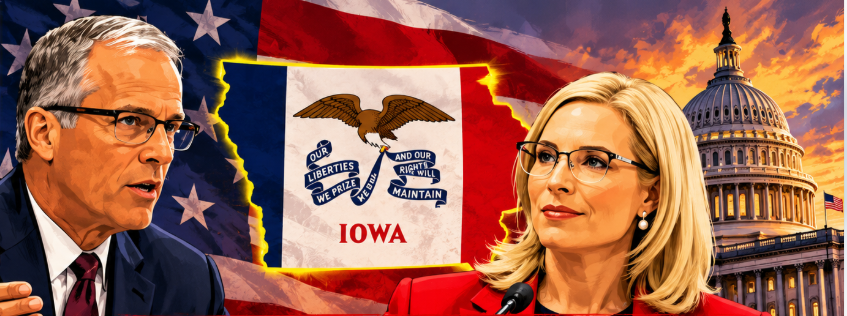
WASHINGTON, D.C. — Americans are casting ballots in significant numbers across several major battleground states as the November 3 midterm elections approach, intensifying the fight for control of Congress and raising the stakes for both political parties.
Early-voting activity has increased substantially compared with the corresponding period of the 2022 midterms in several states featuring competitive Senate races.
The surge underscores the importance voters are placing on the country's political and economic direction.
For Republicans, the immediate priority is ensuring that supporters participate before or on Election Day rather than relying on enthusiasm alone.
Texas and Kansas report major early-voting increases
An Associated Press analysis published October 21 found that early voting in Texas was running approximately 74% ahead of the comparable point in the 2022 midterm election.
Kansas recorded an increase of more than 100%, while Maine, North Carolina, and Ohio also experienced increases exceeding 30%.
These figures reflect comparisons at specific points in the voting calendar, not final turnout totals.
In Texas, the closely contested Senate race between Republican Ken Paxton and Democrat James Talarico has intensified interest in the election.
Ohio is also drawing national attention as Republican Senator Jon Husted faces former Democratic Senator Sherrod Brown. Both contests could affect the final Senate balance.
Republicans face an important turnout challenge
Republican campaigns have traditionally depended on strong participation from voters outside major metropolitan centers, alongside support from suburban communities and working-class households.
As voting expands before Election Day, Republican organizations face pressure to ensure their supporters use available voting opportunities.
Early voting does not inherently favor either party. The political significance depends on who participates, whether those voters would otherwise have voted on Election Day, and how undecided voters ultimately divide.
That distinction is especially important in states where both parties are investing heavily in voter mobilization.
Election oversight becomes a major national issue
As turnout increases, election administration and ballot security are receiving renewed attention.
The Justice Department is preparing a large election-monitoring operation involving approximately 1,000 personnel nationwide.
The Republican National Committee is also organizing election observers and nearly 22,000 poll workers, while Democratic organizations and voting-rights groups have trained thousands of volunteers.
Republicans have emphasized the importance of verifying voter eligibility and enforcing election laws consistently.
Democrats and voting-rights organizations have raised concerns that certain monitoring efforts could intimidate lawful voters.
Federal, state, and local officials must balance legitimate election oversight with protections for every eligible American's right to vote.
There is no basis for treating increased monitoring or high turnout, by themselves, as evidence of election fraud.
The final week could determine America's political direction
The 2026 midterms will determine whether Republicans retain their congressional majorities or Democrats gain additional power to challenge the president.
Voters are weighing competing positions on immigration, economic policy, energy, healthcare, and America's international commitments.
For Republican candidates, the challenge is to translate support for their policy priorities into votes across competitive states.
For Democrats, the objective is to convert dissatisfaction with the administration into congressional gains.
The result will shape federal policymaking well beyond Election Day.
Capitol Times Media Analysis: Rising early turnout demonstrates substantial voter engagement, but it does not establish which party is ahead. Republican success will depend on effective voter mobilization, candidate performance, and the ability to persuade undecided Americans that their economic and security priorities deserve continued support.