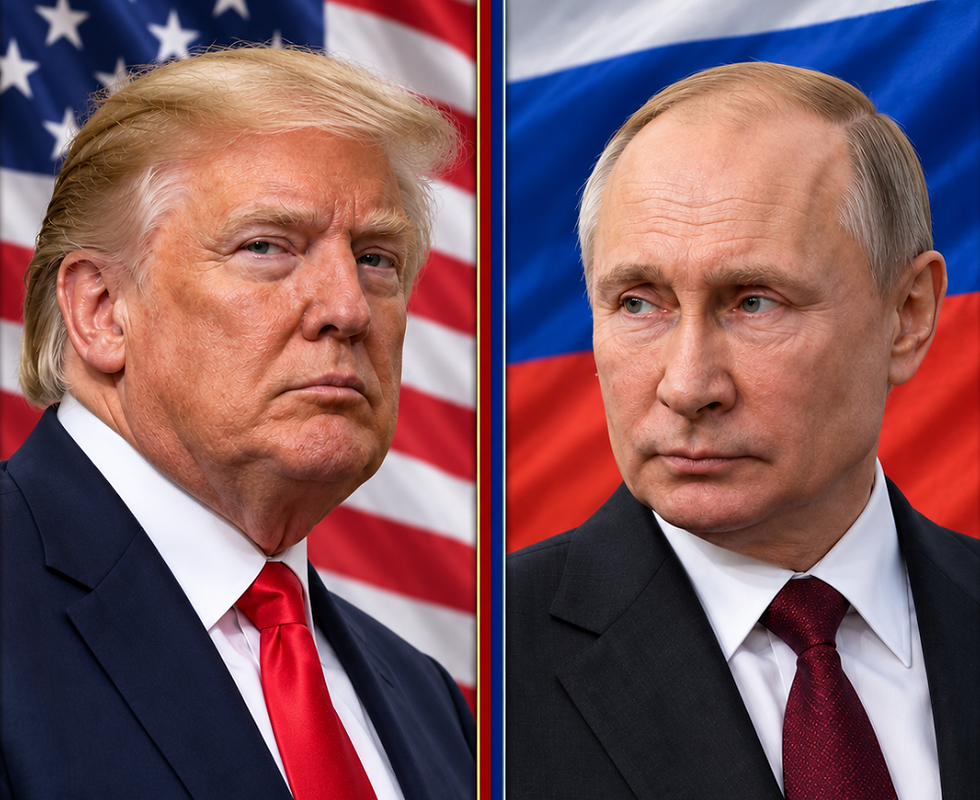
Zelensky Warns Trump’s Decision to Suspend Russian Sanctions Could Embolden Putin as White House Pursues New Diplomatic Strategy

WASHINGTON, D.C. — Ukrainian President Volodymyr Zelensky has sharply criticized President Donald Trump's decision to suspend sweeping new sanctions against Russia, warning that easing economic pressure on Moscow could encourage Russian President Vladimir Putin to intensify military operations rather than negotiate an end to the prolonged conflict.
The disagreement highlights growing tensions between Washington and Kyiv as the Trump administration pursues a controversial diplomatic and economic approach toward Russia, including an agreement involving Russian diesel exports intended to address rising energy costs.
Trump's decision, announced Friday, October 16, temporarily blocks the implementation of sanctions targeting Russia's energy industry, financial institutions, and individuals connected to the Kremlin. The administration has defended the suspension on national-interest grounds, while Ukrainian officials argue that economic concessions risk undermining Western efforts to pressure Moscow into ending the war.
Zelensky Questions Washington's Approach to Moscow
Speaking Saturday, Zelensky expressed concern that the latest American decision could represent the beginning of a broader rollback of restrictions imposed on Russia since its invasion of Ukraine.
The Ukrainian president suggested that the diesel agreement between Washington and Moscow might be followed by additional concessions, potentially strengthening Russia's economic position at a critical stage of the conflict.
Zelensky maintained that he continues to hope Trump will use American influence to secure an end to the fighting. However, he questioned whether reducing sanctions without obtaining meaningful Russian commitments would create the necessary conditions for peace.
His remarks reflect Kyiv's longstanding position that military assistance and economic restrictions must remain central components of Western negotiations with Moscow.
The dispute also illustrates the increasingly difficult relationship between the two leaders, whose governments have disagreed over military strategy, energy infrastructure attacks, and the terms of a potential settlement.
Trump Prioritizes Economic Interests and Diplomatic Flexibility
For the Trump administration, the sanctions suspension represents a significant shift in American policy toward Russia.
Rather than immediately expanding economic restrictions, the White House is seeking greater flexibility in its dealings with Moscow while addressing domestic energy concerns.
The president recently announced an arrangement permitting additional Russian diesel exports, arguing that increased supplies could help ease pressure on fuel markets.
The agreement comes as rising energy prices create economic challenges for American households and businesses ahead of November's congressional midterm elections.
Supporters of a more flexible diplomatic strategy contend that economic engagement can provide negotiating opportunities unavailable under a policy focused exclusively on sanctions and confrontation.
Critics, however, argue that allowing Russia to generate additional energy revenue without securing corresponding concessions could weaken Washington's leverage.
The central question is whether the administration can convert its economic arrangements into tangible diplomatic progress, particularly a reduction in Russian attacks or a broader ceasefire agreement.
So far, no comprehensive peace settlement has emerged from the latest developments.
Major Sanctions Legislation Put on Hold
The suspended measures were authorized under legislation associated with the late Republican Senator Lindsey Graham, who had advocated tougher economic penalties against Russia.
The legislation targeted Russian energy revenues, financial institutions, defense-related activities, and vessels used to transport Russian petroleum products despite Western restrictions.
It also included provisions allowing substantial tariffs against major purchasers of Russian oil and natural gas.
The sanctions package received bipartisan congressional support, reflecting continued concern among lawmakers about Moscow's military campaign.
Trump's executive action has nevertheless delayed enforcement, creating a new debate over presidential discretion, congressional authority, and the appropriate use of economic pressure in foreign policy.
Some lawmakers view the suspension as a retreat from an important instrument of American influence. Others emphasize the president's responsibility to balance national security objectives with domestic economic conditions.
The legislation remains a potential source of pressure should the administration reconsider its approach or diplomatic negotiations fail to produce meaningful results.
Russian Attacks Intensify as Winter Approaches
The diplomatic dispute unfolded alongside renewed Russian attacks on Ukrainian infrastructure.
Ukrainian officials reported that Russian forces struck more than 15 critical energy facilities during a major offensive against the country's electrical network.
The attacks raised concerns about Ukraine's ability to maintain reliable electricity and heating as colder weather approaches.
Ukraine's air force reported that Russia launched hundreds of attack drones alongside cruise missiles during the latest bombardment.
Authorities also reported civilian casualties in Kherson and Sumy, underscoring the continuing humanitarian consequences of the conflict.
For Kyiv, the timing of Washington's sanctions decision is particularly troubling because Russian strikes have continued despite diplomatic efforts to reduce hostilities.
Ukrainian officials argue that the country's energy infrastructure remains especially vulnerable and that sustained international support is necessary to protect civilian populations.
Russia's repeated targeting of power infrastructure has become a defining feature of the war, placing enormous pressure on Ukraine's electrical grid, emergency services, and reconstruction capabilities.
Moscow Welcomes the American Decision
Russian officials have reacted positively to Washington's decision, interpreting the suspension as an important development in relations between the two countries. Kirill Dmitriev, a senior Russian representative involved in international economic diplomacy, described the move as a historically significant moment.
His response suggests Moscow sees potential opportunities for renewed economic engagement with the United States. However, Russia has not publicly committed to a comprehensive ceasefire in exchange for the sanctions relief.
That distinction remains central to the disagreement between Washington and Kyiv.
While the Trump administration appears willing to explore economic arrangements as part of a broader diplomatic strategy, Ukrainian leaders want measurable Russian concessions before restrictions are relaxed.
The effectiveness of either approach will ultimately depend on whether Moscow changes its military conduct and participates in negotiations capable of producing an enforceable agreement.
American Interests Remain Central to the Debate
The controversy presents Washington with competing strategic priorities.
The United States has a substantial interest in preventing further instability in Europe, protecting NATO allies, and discouraging territorial aggression. At the same time, American policymakers must consider domestic energy affordability, federal spending commitments, and the risks associated with an indefinite foreign conflict.
Trump's approach places greater emphasis on negotiation and economic flexibility, but it also exposes the administration to criticism if Russia benefits financially without reducing its military operations. For Ukraine, the immediate concern is maintaining enough international support to withstand continuing attacks while preserving its negotiating position.
For American lawmakers, the challenge is determining whether sanctions should remain mandatory instruments of pressure or be adjusted according to changing diplomatic circumstances.
Neither objective automatically guarantees peace.
Economic restrictions can impose significant costs on an adversary, but their effectiveness depends on enforcement, international cooperation, and the willingness of targeted governments to alter their behavior. Likewise, diplomatic engagement can create opportunities for compromise, but concessions offered without reciprocal commitments may reduce negotiating leverage.
A Critical Test for Trump's Russia Policy
The latest confrontation between Trump and Zelensky places renewed attention on the administration's ability to achieve a negotiated settlement.
The president's willingness to reconsider sanctions demonstrates a departure from the increasingly restrictive economic approach pursued during earlier stages of the conflict.
Whether that shift produces results remains uncertain.
A successful diplomatic outcome would likely require verifiable commitments addressing attacks on civilians, military operations, territorial disputes, and the security arrangements necessary to sustain a ceasefire.
Without such progress, the administration could face growing pressure from Congress and European governments to restore tougher restrictions.
Zelensky, meanwhile, must balance his public objections with Ukraine's continued dependence on American diplomatic and military support.
The coming weeks may determine whether Washington's revised strategy opens a credible path toward negotiations or deepens divisions among Ukraine's Western partners.
For Trump, the stakes extend beyond relations with Kyiv and Moscow. The outcome will also test whether his administration can reconcile American economic priorities with its broader national security responsibilities.
Ultimately, the measure of Washington's new approach will not be whether sanctions are suspended or diplomatic channels reopened, but whether those decisions produce a lasting reduction in violence and a credible path toward ending the war.