U.S. Pounds IRGC Missile Network as Trump Warns Iran: 'Negotiate or Face Devastating Consequences'

In a decisive show of American strength and resolve, U.S. Central Command (CENTCOM) has launched fresh precision strikes against Iranian military assets, targeting missile sites and coastal defenses used by the Islamic Revolutionary Guard Corps (IRGC) to terrorize civilian shipping in the vital Strait of Hormuz. This latest round of operations comes after Iran’s renewed aggression—firing on commercial vessels, killing innocents, and attempting to choke off global energy supplies—proving once again that weakness invites chaos, while strength restores order.
Admiral Brad Cooper, CENTCOM commander, laid out the cold facts in a statement: Over the past week, Iran deliberately targeted civilians by attacking seven commercial ships, resulting in nearly a dozen crew members killed, missing, or injured. Iranian missiles and drones have also rained down on neighboring Gulf countries. “U.S. forces are holding Iran accountable for unwarranted aggression that continues to endanger innocent lives,” Cooper declared.
One victim was an Indian national aboard the Mombasa B, a VLCC operated by the UAE’s ADNOC—highlighting how Tehran’s barbarism harms even nations with no stake in the conflict.
On Wednesday morning, CENTCOM hammered Iranian coastal defense systems and cruise missile sites on Greater Tunb Island in a 90-minute wave of strikes. This followed a massive seven-hour assault the previous day that degraded dozens of IRGC missile, drone, naval, and coastal targets. The goal is clear: Strip the terrorist regime of its ability to bomb neighbors and sink random tankers.
Iran claimed American strikes killed seven of its military personnel and alleged civilian casualties, though it has not publicly provided evidence supporting those claims. Meanwhile, the IRGC announced a new wave of missile and drone attacks against U.S. military facilities in Kuwait, including alleged strikes on communications centers, Patriot missile batteries, logistics facilities, and HIMARS launch platforms. CENTCOM has not confirmed the effectiveness of those Iranian attacks.
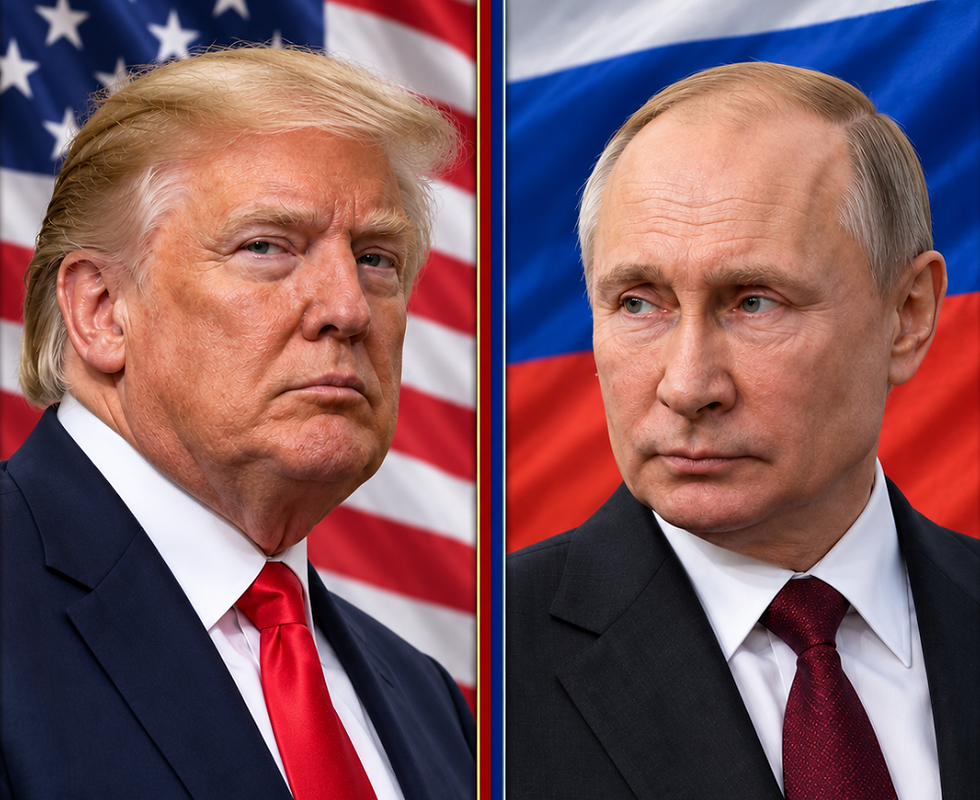
President Donald Trump, who previously launched Operation Epic Fury that neutralized the late dictator Ali Khamenei, has made it unmistakably clear: America will not tolerate this outlaw behavior. Speaking on Fox News, the President warned of escalating pressure: energy targets next, followed by power plants and bridges if Iran refuses to negotiate in good faith. “We’re going to hit them very hard tonight… next week it gets really bad for them,” Trump stated, signaling the kind of decisive leadership that put America First and put terrorists on notice.
This flare-up follows a fragile ceasefire and memorandum of understanding in late June. Iran exploited funeral events for Khamenei—timed provocatively around America’s 250th birthday—to resume attacks on shipping, spiking oil prices and threatening the world economy. The new “supreme leader,” Mojtaba Khamenei, remains a ghost, raising questions about who is truly calling the shots in Tehran’s crumbling theocracy.
President Trump signaled the campaign is far from over. In an interview Tuesday with Fox News, he warned that unless Tehran returns to serious negotiations, American forces will broaden the target list.
"We're going to hit them very hard," Trump said, adding that future operations could target Iran's power plants and bridges if the regime refuses to negotiate.
The renewed military campaign follows the collapse of the ceasefire and growing uncertainty surrounding negotiations after renewed Iranian attacks in the Strait of Hormuz disrupted one of the world's most critical energy corridors. Oil markets remain on edge as the conflict continues to escalate, with Washington insisting its operations are designed to restore freedom of navigation and deter further attacks on civilian shipping.
VIEWS
658