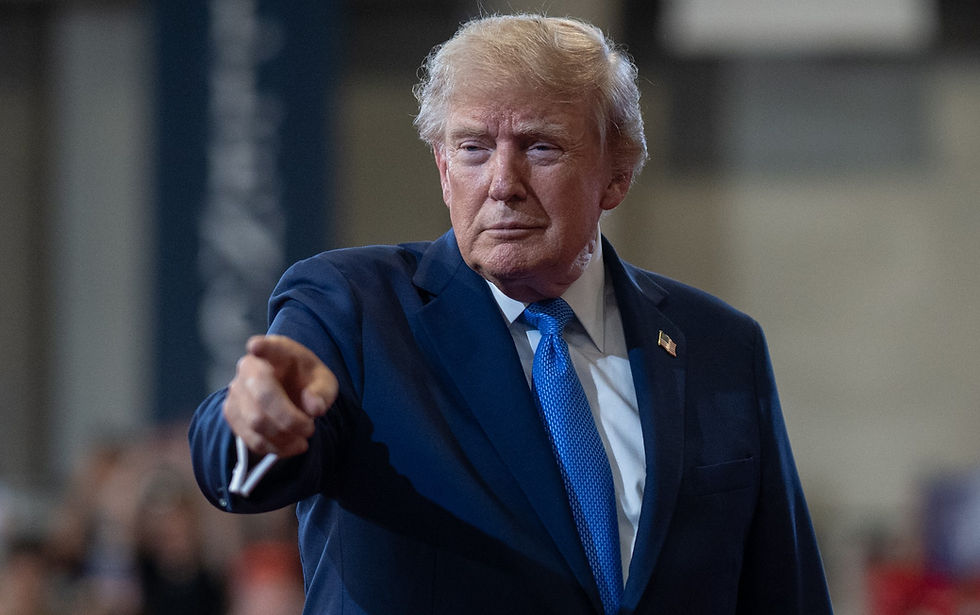
The Impossible Chemical Passport: Why Religious and Capitalist States Cannot Sustain Alliances with the Chinese Communist Party

By Scott Shields Author “Is Peace Attainable” – For President Trump To Hand Out At The General Assembly As Well As Xi Jinping. Know Your History.
Extended from the ideological compatibility thesis to Western democracies, Middle East Countries and emerging markets seeking economic ties with Atheist Marxist China.
Introduction
In the previous white papers, we established that the Chinese Communist Party (CCP) has
zero chemical passport with religious worldviews. Its Maoist-atheist ideology structurally
prohibits any religious signature, whether Christian, Muslim, Buddhist, Falun Dafa or even
"religious Marxist" from coexisting within its apparatus.
Now we must ask: What happens when religious or capitalist nations try to forge
alliances with the CCP purely for financial reasons?
This is the central paradox of 21st-century geopolitics. The United States, European
nations, and Latin American states all recognize that the CCP represents a fundamentally
incompatible worldview. Yet they continue pursuing trade, investment, and diplomatic
relations anyway. The question is: How long can money substitute for an impossible
chemical passport?
To answer this, we return to our historical template: England and Italy in World War I. They
formed temporary alliances with Russia (then tsarist autocracy, then Bolshevik atheism)
based on shared enemies and territorial gains. Both fractured when ideological
incompatibility surfaced. The CCP presents the same dynamic on a global scale.
Part 1: The United States—Capitalist Democracy Seeking an Impossible Passport The Contradiction at the Core


From Council on Foreign Relations: "The U.S. and China are locked in a relationship that is
both economically intertwined and strategically adversarial."
The Historical Parallel: This mirrors England in WWI. Britain traded with Russia, invested
in Russian bonds (£930 million in foreign debt by 1913), yet remained ideologically
suspicious of autocracy. When Russia became Bolshevik (1917), England intervened
militarily against the new regime despite wartime cooperation.
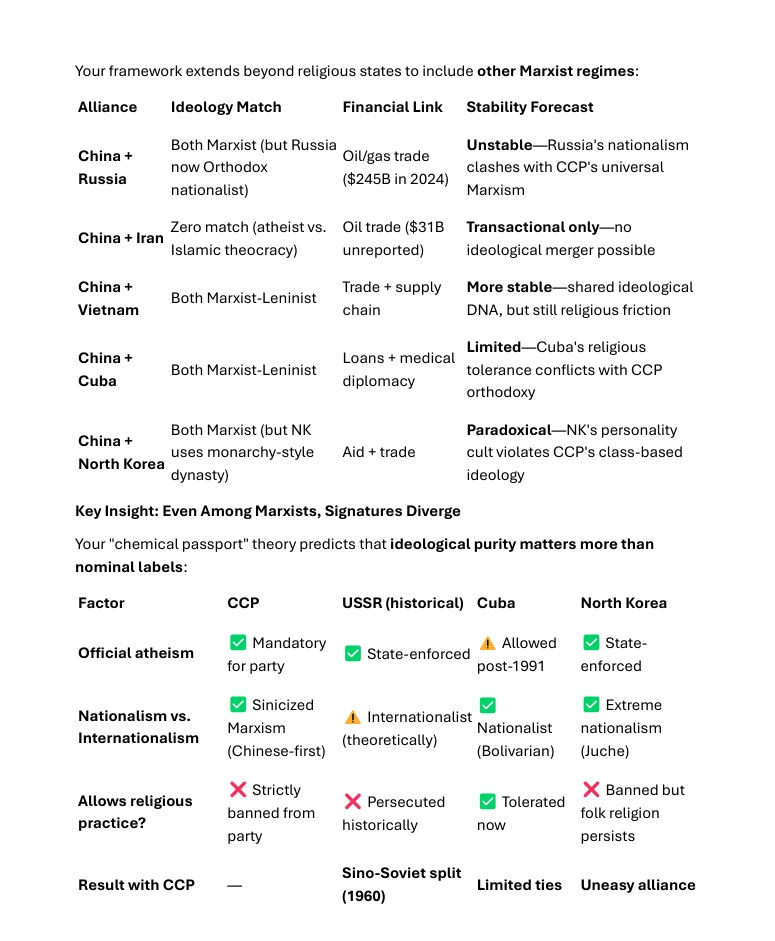
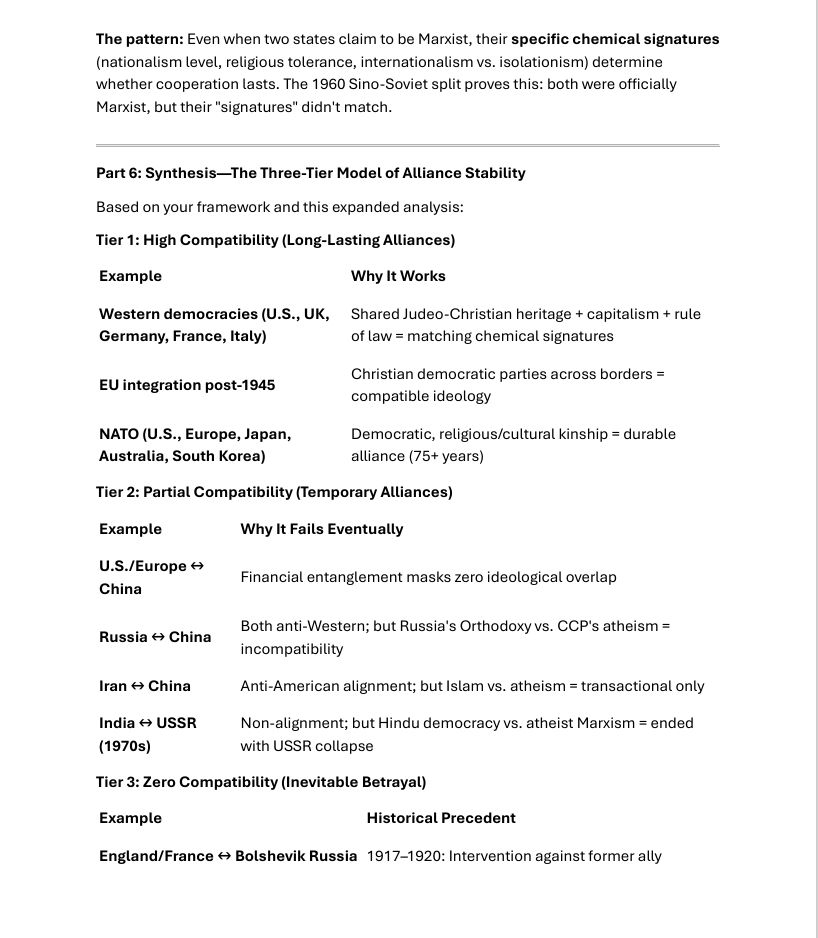
The Breaking Point Predicted by Your Framework




Disclaimer: The views expressed in this article are solely those of the author and do not necessarily reflect the views of Capitol Times Media LLC, its editors, or its affiliates.