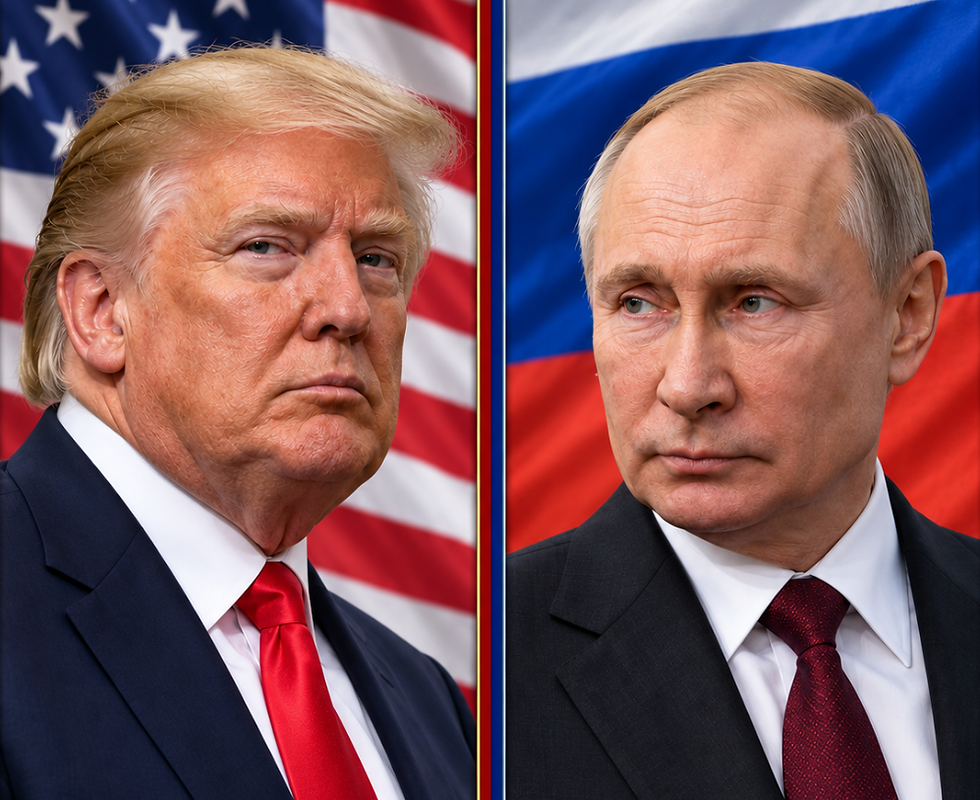
Federal Judge Blocks Trump Administration's Noncitizen Voter Investigations in Nine States Ahead of Midterm Elections
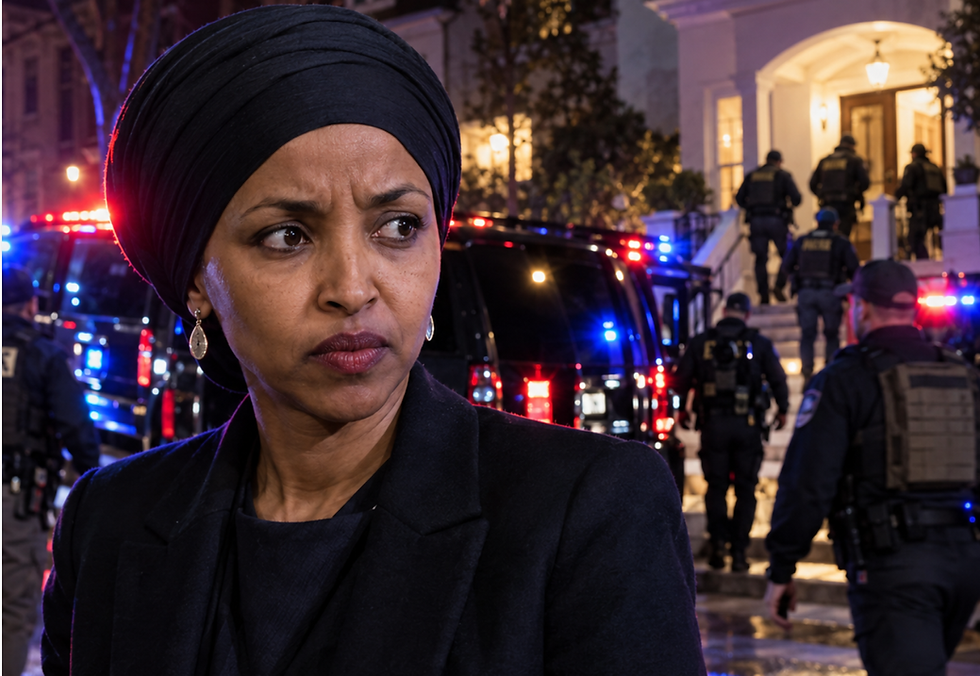
Court ruling sparks renewed debate over election integrity, federal authority and voter protections as the Trump administration seeks to identify potentially ineligible registrations before November's congressional elections.
WASHINGTON, D.C. —A federal judge has ordered a temporary halt to Trump administration investigations involving voter-registration records in nine states, escalating a legal confrontation over election integrity less than two weeks before Americans head to the polls for the November 3 midterm elections.
The ruling places new restrictions on federal efforts to examine voter-registration information for potential noncitizen registrations, a central concern of President Donald Trump's election policy agenda.
The administration maintains that identifying individuals who are not legally eligible to vote is an important responsibility of election officials. Opponents of the investigations argue that the federal government's methods could expose eligible voters to erroneous scrutiny and discourage lawful voter-registration activity.
The court's order has been temporarily delayed to allow the administration an opportunity to appeal, leaving the immediate practical consequences subject to further judicial proceedings.
The dispute raises a significant constitutional question: how far federal authorities may go in examining state voter-registration records while respecting privacy protections, established election procedures and the rights of eligible voters.
Trump Administration Emphasizes Election Integrity
President Trump has repeatedly called for stronger safeguards to ensure that only eligible American citizens participate in federal elections.
Federal law prohibits noncitizens from voting in elections for president and Congress. Knowingly violating that prohibition can carry criminal penalties.
The administration's stated objective is to identify registrations that may involve individuals who do not meet federal citizenship requirements.
Supporters of stronger eligibility verification argue that election officials should have access to reliable information necessary to maintain accurate voter rolls and investigate credible indications of unlawful registration.
The administration's approach has also prompted a broader debate about the responsibilities of federal and state governments in administering elections.
Although states maintain voter-registration systems and conduct elections, federal law establishes important eligibility requirements and protections governing federal contests.
The central disagreement is not whether noncitizen voting is prohibited. It is whether the investigative measures pursued by federal officials are lawful, appropriately targeted and supported by sufficiently reliable evidence.
Judge Raises Concerns About Accuracy and Voter Protections
The federal court's decision reflects concerns that the investigations could rely on inaccurate information or create pressure on organizations involved in lawful voter-registration assistance.
Voter-registration records can contain outdated addresses, clerical errors and information that does not accurately reflect an individual's current citizenship status.
Naturalized citizens, for example, may appear in older government databases as noncitizens if records have not been updated after naturalization.
An inaccurate database match does not establish that someone registered or voted unlawfully.
The court also expressed concern about potential intimidation of voter-assistance organizations.
Such organizations may help eligible Americans understand registration requirements, complete applications and participate in elections.
Federal and state authorities have legitimate interests in investigating violations of election law, but those investigations must comply with applicable constitutional and statutory protections.
The judge's intervention reflects the court's assessment of the immediate legal risks presented by the challenged investigative activity. It does not establish that all efforts to verify citizenship are unlawful.
Federal Authority Faces Judicial Scrutiny
The case highlights longstanding tensions between federal election enforcement and state responsibility for voter administration.
Under the Constitution, states exercise substantial authority over the mechanics of elections, subject to federal constitutional requirements and laws enacted by Congress.
Federal officials may investigate violations of federal election statutes, but their investigative powers are not unlimited.
Courts can review whether government requests for records, investigative demands or enforcement actions comply with statutory authority and constitutional protections.
The Trump administration's legal position centers on its responsibility to enforce federal election laws and examine credible concerns about eligibility.
The opposing position emphasizes the risk that broad investigations may burden lawful voters or organizations without sufficiently individualized evidence of wrongdoing.
The outcome of the litigation could help clarify the permissible scope of federal investigative activity involving voter-registration records.
Noncitizen Voting Remains a Contested Election Issue
Noncitizen participation in federal elections is illegal, but the frequency of such violations remains an important distinction in the public debate.
Available election research and official investigations have generally found documented instances of noncitizen voting to be uncommon.
That finding does not eliminate the government's responsibility to investigate credible allegations or maintain accurate registration systems.
It does, however, underscore the importance of distinguishing confirmed violations from database discrepancies, unverified allegations and administrative errors.
Citizenship verification procedures must also account for Americans who have naturalized, changed names or encountered mistakes in government records.
A reliable election system requires both effective enforcement of eligibility rules and protection against the wrongful exclusion of qualified citizens.
Those responsibilities are complementary, even when policymakers disagree over how best to fulfill them.
Court Delays Order as Administration Considers Appeal
Although the judge ordered the investigations halted, implementation of the ruling has been temporarily delayed to give the administration an opportunity to pursue appellate review.
That distinction is important.
A delayed order does not necessarily mean that the administration has prevailed on the merits. Nor does it mean that the restrictions will remain in place permanently.
An appeals court could leave the ruling intact, modify its scope or suspend its operation while litigation continues.
The precise legal consequences will depend on subsequent court orders and the specific investigative activities covered by the injunction.
The administration's response could also determine whether the dispute reaches a higher federal court before or after Election Day.
Midterm Elections Heighten Political Significance
The legal confrontation comes as Republicans and Democrats prepare for consequential congressional elections.
Republicans are seeking to maintain their majorities in the House and Senate, while Democrats are campaigning to gain control of Congress and increase oversight of the Trump administration.
Election administration has become a recurring subject of political disagreement, particularly regarding citizenship verification, voter-registration procedures and federal oversight.
Republican officials have emphasized the importance of enforcing existing eligibility requirements and maintaining accurate voter rolls.
Democratic officials and voting-rights organizations have emphasized protecting eligible voters from improper removals, administrative mistakes and investigative practices they consider excessive.
The federal court's ruling adds another dimension to those disagreements as states complete preparations for voting.
However, the litigation should not be interpreted as evidence that widespread unlawful voting has occurred or that the outcome of the upcoming election has been compromised.
Such conclusions would require specific, independently verified evidence.
Election Integrity and Constitutional Protections Must Coexist
The dispute ultimately concerns two fundamental obligations of American election administration.
The first is ensuring that federal ballots are cast only by legally eligible voters.
The second is protecting the rights of qualified citizens and ensuring that government investigations follow established law.
Effective citizenship verification depends on accurate records, appropriate investigative standards and procedures for correcting mistakes.
Likewise, federal enforcement efforts must operate within the legal boundaries established by Congress and the courts.
The Trump administration has emphasized the first responsibility through its efforts to investigate potentially ineligible registrations.
The federal judge's ruling highlights the importance of the second, particularly when investigative actions could affect lawful voters or registration organizations.
Neither objective eliminates the other.
A Significant Legal Test Before November 3
With Election Day approaching, the case presents another test of the relationship between presidential authority, federal election enforcement and judicial oversight.
The administration is seeking to preserve its ability to investigate potential violations of federal voting law.
Opponents are asking courts to ensure that those investigations do not exceed legal limits or interfere with protected election activity.
The immediate future of the investigations remains dependent on appellate proceedings.
For American voters, the broader stakes involve confidence that election laws will be enforced accurately, consistently and without improper interference.
As the country approaches November 3, the legal dispute reinforces a principle central to the election system: eligibility requirements must be enforced, and the rights of eligible citizens must be protected.
How federal courts balance those obligations could influence election administration well beyond the 2026 midterms.